Beginner Tips for Composting at Home: A Simple Guide
Composting at home is an excellent way to reduce kitchen and yard waste while creating nutrient-rich soil for your garden. If you’re new to composting, the process might seem a bit daunting at first. However, with some basic tips and a little patience, anyone can start composting successfully. This guide covers everything you need to know to begin composting at home.
What is Composting?
Composting is the natural breakdown of organic materials like food scraps, leaves, and grass clippings into a dark, crumbly material known as compost. This “black gold” enriches soil, promotes plant growth, and helps retain moisture. Composting is environmentally friendly because it reduces landfill waste and lowers greenhouse gas emissions.
Benefits of Composting at Home
– Reduces landfill waste: Composting keeps kitchen scraps and yard waste out of landfills.
– Improves soil quality: Compost adds essential nutrients and improves soil structure.
– Saves money: Homemade compost reduces the need for chemical fertilizers.
– Supports plant health: Compost boosts plant growth and resilience.
– Reduces water usage: Compost helps soil retain moisture better.
Getting Started: Choose the Right Composting Method
There are several ways to compost at home. Your choice depends on space, time, and how much waste you generate.
1. Compost Bin
A compost bin is a container designed to hold organic waste while it breaks down. You can buy one or make your own. Bins help keep pests away and maintain moisture.
2. Compost Pile
A compost pile is simply a heap of organic materials placed on the ground, usually in a corner of the yard. It’s a low-cost option but requires more maintenance to control moisture and aeration.
3. Worm Composting (Vermicomposting)
This method uses worms to digest food scraps quickly. It’s ideal for indoor composting and small spaces but requires some care to keep worms healthy.
Essential Composting Tips for Beginners
1. Know What to Compost
Use a mixture of “greens” and “browns” to maintain a balanced compost pile.
– Greens (Nitrogen-rich materials): Vegetable scraps, fruit peels, coffee grounds, grass clippings, fresh leaves.
– Browns (Carbon-rich materials): Dry leaves, cardboard, paper, straw, small branches.
Avoid composting meat, dairy, oily foods, pet waste, and diseased plants, as they can attract pests or cause odors.
2. Chop or Shred Materials
Smaller pieces decompose faster. Chop large scraps or shred leaves before adding them to your compost.
3. Maintain the Right Moisture Level
Your compost should feel like a damp sponge—not too wet, not too dry. If it’s too dry, add water or green materials. If it’s too wet, add more brown materials and turn the pile to increase airflow.
4. Turn the Pile Regularly
Turning or mixing your compost every one to two weeks provides oxygen that helps microorganisms break down the materials faster.
5. Monitor Compost Temperature
A healthy compost pile heats up as microbes work. It should feel warm inside. If it’s too cool, add more greens or turn the pile more often to boost activity.
Common Composting Challenges and Solutions
– Bad odors: Usually caused by too much moisture or meat/dairy scraps. Turn the pile and add browns to fix this.
– Pests: Use a closed bin or cover food scraps with brown materials. Avoid adding meat or oily foods.
– Slow decomposition: Chop materials smaller, maintain moisture, and turn the pile regularly.
– Pile too dry: Water the compost and add fresh greens.
How to Use Finished Compost
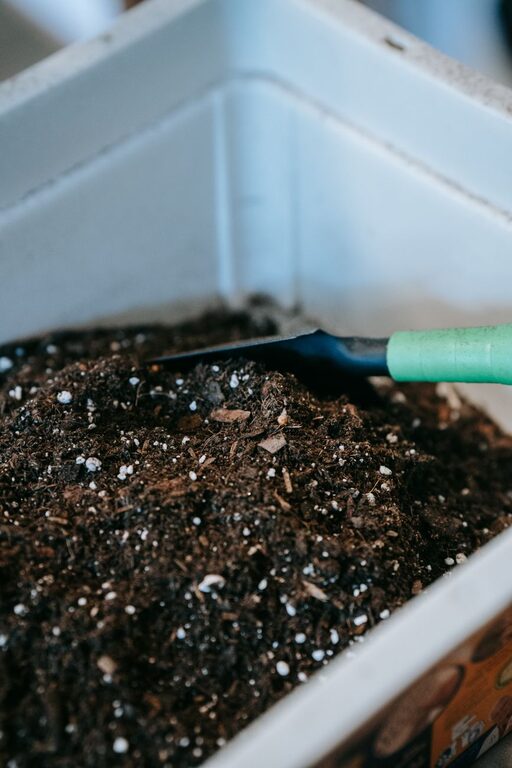
After a few months, your compost will turn into a dark, crumbly material with an earthy smell. You can:
– Mix it into garden soil to improve texture and fertility.
– Use it as mulch around plants to retain moisture and suppress weeds.
– Add it to potting soil for container plants.
Additional Tools and Resources
– Compost thermometer: Helps monitor temperature for optimal decomposition.
– Compost aerator: Makes turning compost easier.
– Composting guides and apps: Provide personalized tips and reminders.
Final Thoughts
Starting a composting routine at home is a rewarding way to care for the environment and your garden. It takes a bit of effort in the beginning, but with these beginner tips, you’ll soon enjoy the benefits of fresher soil and reduced waste. Remember, composting is a learning process—don’t be discouraged by small setbacks. Happy composting!