
Simple Ways to Practice Creativity Every Day
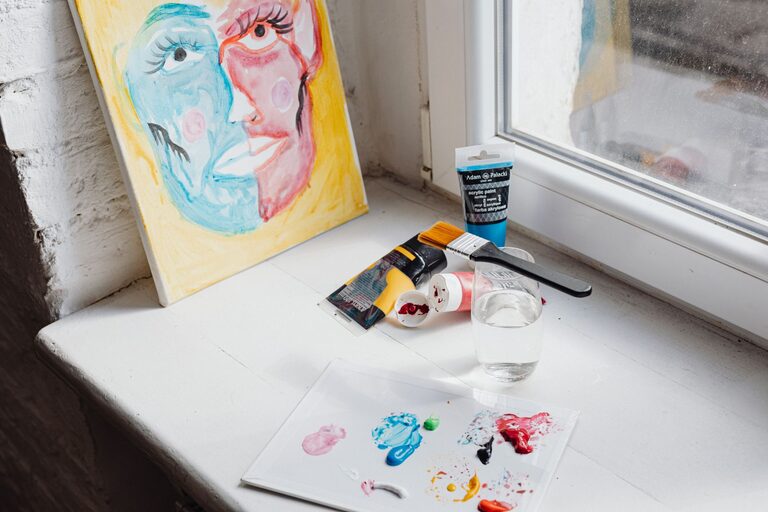
Creativity isn’t just for artists or writers—it’s a skill everyone can develop and use in daily life. Whether you’re looking to solve problems more effectively, work on a project, or simply add some spark to your routine, practicing creativity every day can help you think outside the box and find new opportunities.
In this post, we’ll explore simple and practical ways to nurture your creative side that anyone can try. No special tools or talents required—just a willingness to experiment and have fun.
Why Practice Creativity Daily?
Creativity thrives with regular use. Like any muscle, the more you exercise it, the stronger it becomes. Daily creative practice can:
– Improve problem-solving skills
– Increase productivity and focus
– Reduce stress by providing an outlet for expression
– Enhance your ability to generate new ideas
– Boost confidence in your own abilities
With these benefits in mind, let’s look at how easy it can be to bring creativity into your everyday routine.
1. Keep a Creativity Journal
One of the simplest ways to practice creativity is to carry a small notebook or use a notes app to jot down thoughts, ideas, and observations throughout the day.
How to Use Your Creativity Journal:
– Write down random ideas, no matter how silly they seem
– Sketch quick doodles or mind maps
– Note interesting phrases, quotes, or things you overhear
– Reflect on your day and what inspired you
This habit trains your brain to notice details and make connections, which are key parts of creative thinking.
2. Set Aside Time for Free Writing or Drawing
Dedicate 10 to 15 minutes daily to free writing or drawing. The goal isn’t to create a polished piece but to let your thoughts flow without judgment.
Tips for Free Writing or Drawing:
– Choose a quiet space where you won’t be interrupted
– Set a timer to stay focused
– Start with a prompt if you like (e.g., “What if…” or “Today I noticed…”)
– Don’t worry about spelling, grammar, or neatness
This practice can uncover hidden ideas and boost your confidence in expressing yourself.
3. Try New Things Regularly
Creativity often sparks from new experiences. Trying new activities, foods, or routes in your neighborhood broadens your perspective and stimulates your brain.
Ideas for New Experiences:
– Cook a dish from a different culture
– Take a walk in a park you haven’t visited before
– Listen to a music genre you don’t usually hear
– Learn a few words in a foreign language
These small changes can inspire fresh ideas and refresh your daily routine.
4. Use Creative Prompts or Challenges
Creative prompts are short, inspiring tasks or questions that encourage you to think differently. You can find prompts online or create your own.
Examples of Creative Prompts:
– Write a six-word story about your day
– Draw your mood using only shapes and colors
– Imagine a new use for an everyday object
– Describe a place you’ve never been as if you’re a travel guide
Try doing one prompt a day or each week to keep things interesting.
5. Limit Screen Time and Embrace Mindfulness
Unplugging from digital devices creates space for your mind to wander and develop original ideas. Mindfulness practices like meditation or deep breathing can also improve focus and creativity.
How to Practice Mindfulness for Creativity:
– Spend 5 minutes focusing on your breath
– Observe your surroundings without judgment
– Take note of sounds, smells, and textures
– Let your thoughts come and go without clinging to them
Reducing distractions allows your creative thoughts more room to grow.
6. Collaborate and Share Ideas
Creativity flourishes in community. Talking with others, sharing your ideas, and hearing their perspectives can lead to unexpected insights.
Ways to Collaborate Creatively:
– Join or start a creative group or club
– Participate in brainstorming sessions at work or school
– Share your projects on social media or blogs
– Ask for feedback and be open to suggestions
Even casual conversations can spark exciting new directions for your creative efforts.
7. Build a Creative Environment
Your surroundings influence your creativity. Personalize your space with inspiring objects, books, artwork, or plants. Keep tools like pens, paper, or crafting supplies easily accessible.
Tips for a Creative Environment:
– Dedicate a corner for creative work or hobbies
– Display quotes or images that motivate you
– Keep clutter minimal to avoid distraction
– Change your setup occasionally to keep things fresh
A welcoming space encourages regular creative practice.
Conclusion
Creativity is not a mysterious talent reserved for a lucky few. It’s a skill you can cultivate every day with little steps that fit into your lifestyle. By keeping a journal, trying new things, engaging in free writing or drawing, and surrounding yourself with inspiration, you open the door to a more creative and fulfilling life.
Start small and remember: the goal is progress, not perfection. Give yourself permission to explore and have fun—your creative potential is waiting to be discovered!